
Quality assurance helps startups launch reliable software, avoid costly bugs, and deliver better user experiences.
Why QA Testing Is Essential for Startup Software Products
Startups move fast. Speed is often necessary to validate ideas, launch products, and compete in crowded markets. However, moving too quickly without proper testing can introduce bugs, performance issues, and security vulnerabilities that damage user trust.
Quality assurance (QA) testing ensures that software works as expected before it reaches users. By systematically testing applications throughout development, startups can identify problems early, improve product stability, and deliver a smoother experience.
For startups trying to build credibility and retain users, investing in proper QA testing can make the difference between success and failure.
Identifying issues early saves time, money, and development resources.
Preventing Costly Bugs Before Launch
Bugs discovered after a product launch can be far more expensive to fix than those caught during development. Once users encounter problems, teams must quickly release patches, manage customer complaints, and potentially repair damaged brand reputation.
QA testing helps identify functional errors, broken features, and edge cases before the software reaches production. Testers simulate real-world usage scenarios to ensure that the product behaves correctly across different conditions.
By addressing problems early in the development cycle, startups reduce technical debt and avoid emergency fixes after launch.
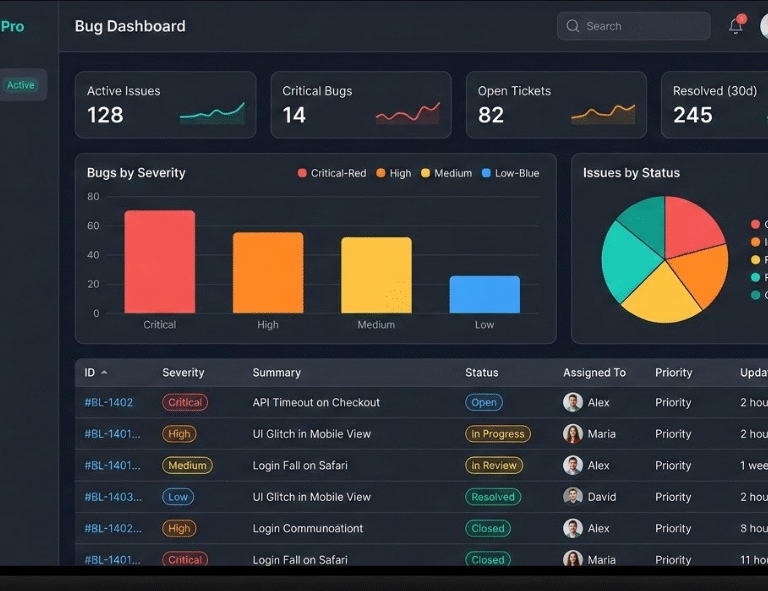
Thorough testing ensures that users interact with a stable and polished product.
Improving User Experience and Product Quality
User experience is critical for startup success. If a new product feels unreliable, confusing, or broken, users may quickly abandon it and move to competing solutions.
QA testing helps ensure that every feature behaves as intended. Testers verify navigation flows, validate forms, confirm responsive layouts, and ensure that interactions work smoothly across devices.
A well-tested product creates a sense of reliability and professionalism, helping startups build trust with their users.
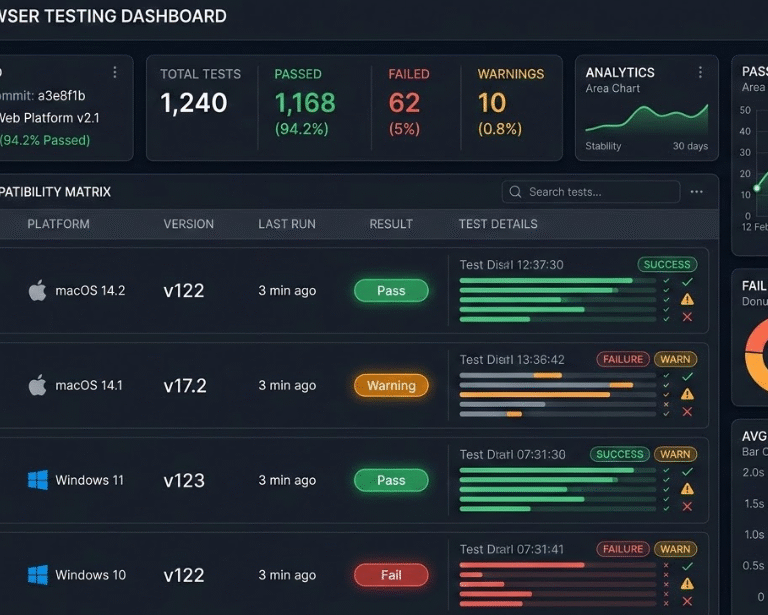
Applications must perform consistently across browsers, devices, and operating systems.
Ensuring Cross-Platform Compatibility
Modern software products are often used across many environments. Users may access a web app from different browsers, devices, or operating systems.
Without proper testing, features may work correctly in one environment but fail in another. QA teams perform compatibility testing to ensure consistent functionality across platforms.
This process includes testing different browsers, operating systems, screen sizes, and device configurations to confirm that the product behaves reliably for all users.
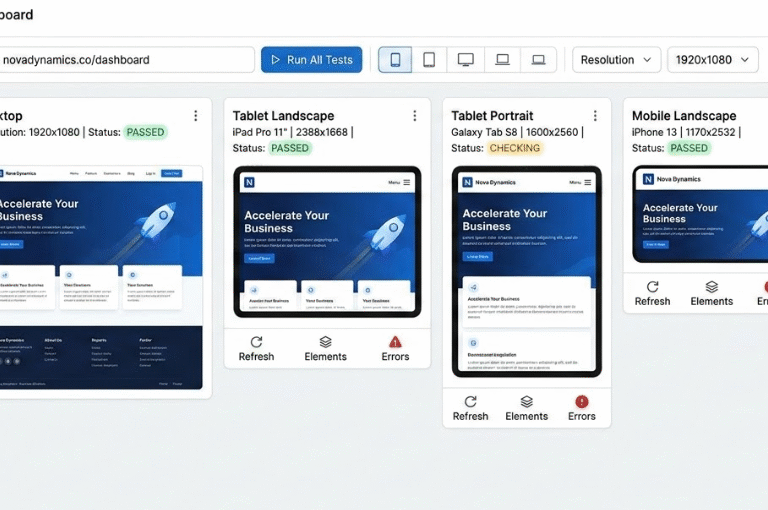
QA testing enables faster and safer product iteration.
Supporting Continuous Development
Most startups continuously release updates and new features. Without proper testing processes, frequent releases can introduce new bugs or break existing functionality.
Automated testing frameworks allow teams to run tests every time code changes are introduced. This ensures that new updates do not disrupt existing features.
With automated QA pipelines in place, startups can confidently release updates while maintaining product stability.

AI will continue to reshape how startups build, test, and scale software.
The Future of AI-Assisted Development
The impact of AI on software development is only beginning. Future development tools may assist with software architecture design, generate entire application components, and help teams collaborate more effectively.
As these technologies mature, startups that adopt AI-driven development workflows will gain a powerful competitive advantage. Faster iteration cycles, improved product quality, and smarter decision-making will define the next generation of successful software companies.

Quality assurance is a critical foundation for successful startup software.
Final Thoughts
Startups often focus heavily on building features and launching quickly, but quality should never be overlooked. QA testing helps ensure that products work reliably, perform efficiently, and provide a positive experience for users.
By investing in quality assurance early in the development process, startups can reduce technical risks, protect their reputation, and build software that users trust.
In a competitive technology landscape, reliable software can become one of the most valuable advantages a startup has.
still have questions?

Sometimes you can really find hatches of an interesting shape: square, rectangular.